Deals
Weston Family Buys Boots From Sycamore Partners for $8.9 Billion
Canada's Weston family, owners of Loblaw and Shoppers Drug Mart, agreed to buy Boots from Sycamore Partners and the Pessina family for $8.9 billion. The deal ends a short, fast breakup of Walgreens Boots Alliance that began with Sycamore's 2025 take-private.
Published
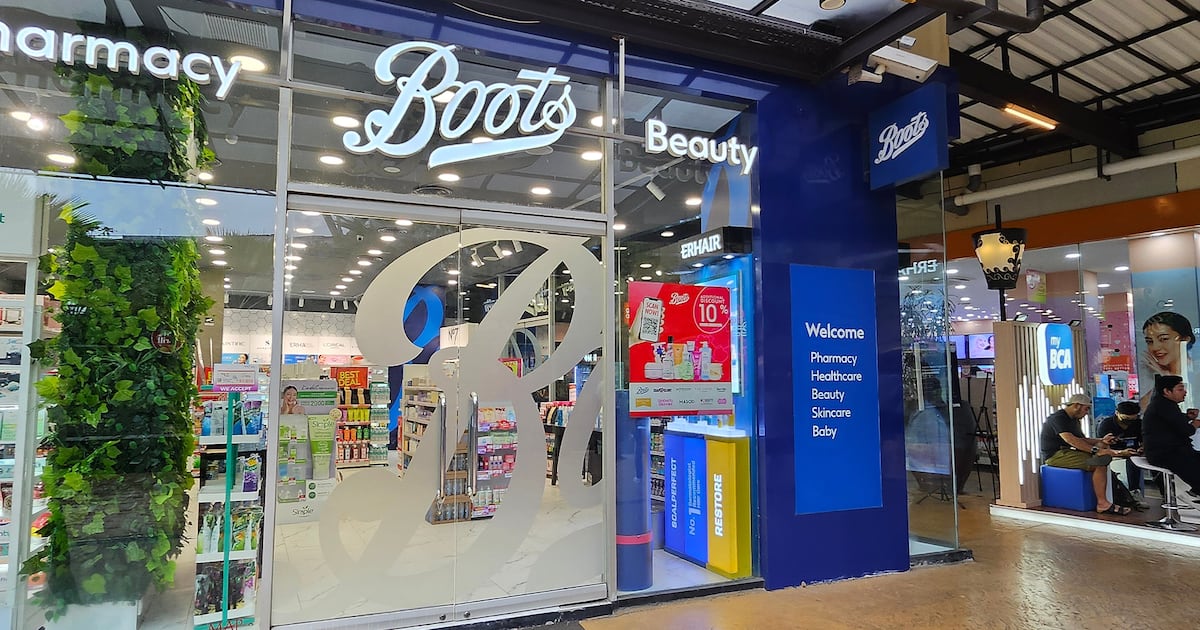
Canada's Weston family agreed on Wednesday to buy Boots from Sycamore Partners and the Pessina family for $8.9 billion, according to the Business of Fashion, with new owners pledging fresh investment in the chain's stores, its online business and its healthcare services.
The sale closes out a breakup that began the moment Sycamore finished taking Walgreens Boots Alliance private. Sycamore completed that $23.7 billion take-private in August 2025, immediately splitting Walgreens, Boots, Shields Health Solutions, CareCentrix and VillageMD into standalone companies, with Boots carved out specifically to be resold rather than held long-term. Stefano Pessina and his family had rolled their entire WBA stake into the Sycamore deal, making them sellers again alongside the private equity firm less than two years later.
The buyer, Wittington Investments, is the Westons' Canadian holding vehicle, and it is not new to pharmacy retail. Wittington already controls Loblaw, Canada's largest grocer, and bought Shoppers Drug Mart for C$12.4 billion in 2013, a chain of more than 1,300 stores. That operating history in drugstore retailing is part of what distinguishes this deal from a typical private equity exit.
On the UK side, the Weston family's Associated British Foods owns Primark and Fortnum & Mason, and the family sold Selfridges in 2022. Buying Boots puts them back in direct ownership of a marquee British high street name four years after that exit.
The price tag moved considerably before landing at $8.9 billion. Sycamore had reportedly sought close to $10 billion, Australia's Sigma Healthcare walked away from talks in June after concluding the chain didn't fit its investment objectives, and Wittington's own offer wobbled enough over the summer that people close to the talks described the odds of a deal as 50/50 before negotiations revived in September.
What the new owners inherit is roughly 2,500 UK stores operating as an NHS-contracted pharmacy network, a business where any change of control draws scrutiny over prescription continuity and pharmacy contracts, not just retail competition.
