Regulation
Regulation, standards, ingredients, efficacy language, and disclosure rules that shape risk and market permission.
10
-
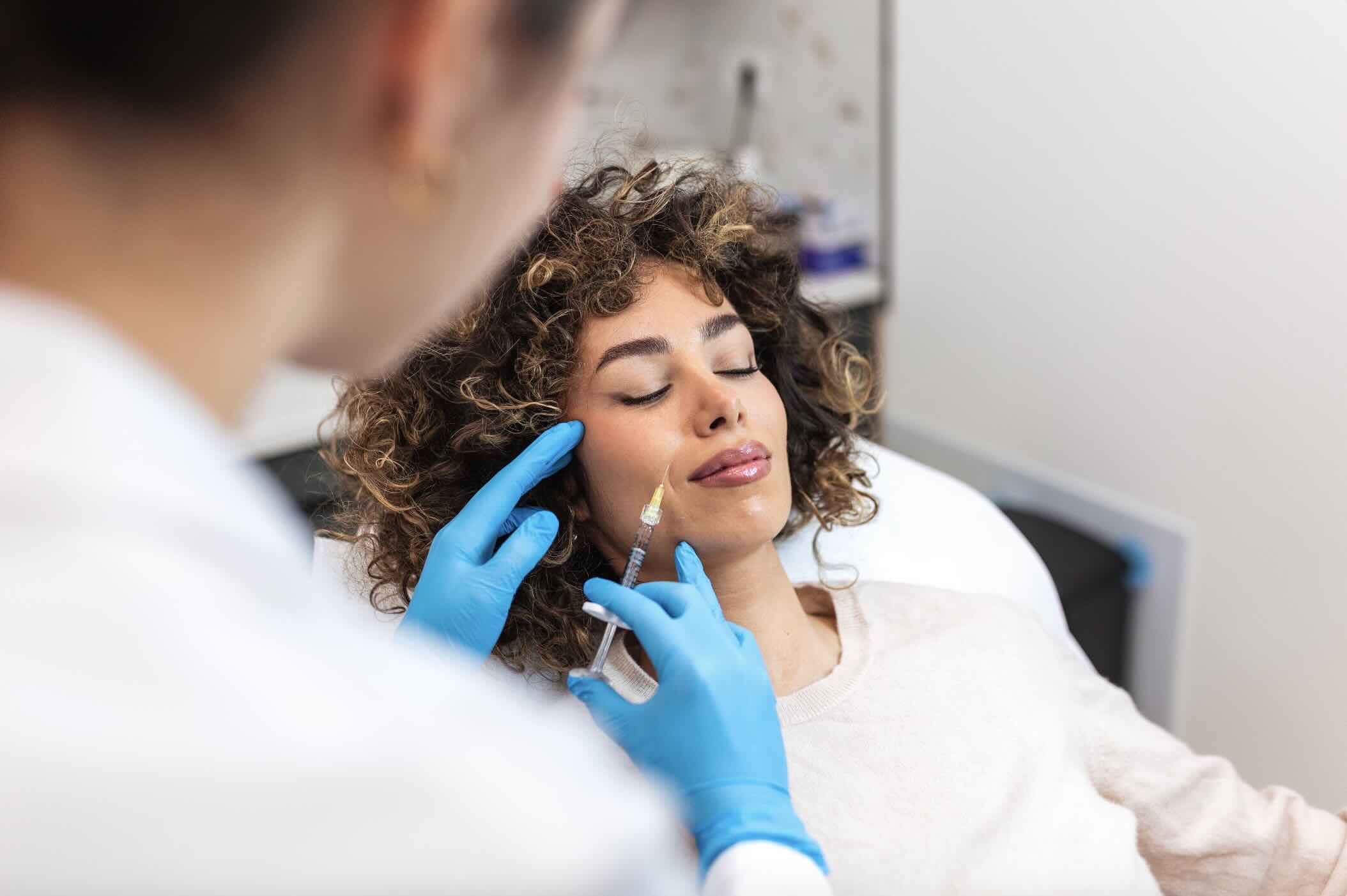
England's Cosmetic Injectables Complaints Pile Up While a 2022 Licensing Law Sits Unused
FOI data shows 1,700+ UK complaints over fillers, Botox and BBLs since 2021, but the detailed London-borough figures reveal patchy council enforcement and a licensing law still unused four years on.
-

Arizona's L'Oréal Suit Takes a Faster Legal Route Than the Federal Cancer Litigation
Arizona's AG is suing L'Oréal under a consumer-fraud law, not personal-injury rules, a lower legal bar that could outpace the 11,800-case federal MDL and the FDA's five-times-delayed formaldehyde ban.
-

MPs to examine why England's cosmetic procedure licensing scheme keeps stalling
MPs are questioning ministers over years of delay in licensing non-surgical treatments like fillers and Botox, as a second promised reform, a ban on liquid BBLs, also misses its deadline.
-

Rising INCI scrutiny leaves consumers short on ingredient context
Eastman says ingredient-scanning apps give shoppers names without meaning, but the INCI list those apps read is itself being rewritten by EU and US regulators on separate, colliding timelines.
-

Beauty Forum's Skin-Type Lesson Traces to a 1910 Marketing Category, Not a Clinical One
Beauty Forum Deutschland's new training column tells licensed German estheticians that skin type is genetically fixed, using a four-category system that traces to a 1910 sales classification by Helena Rubinstein rather than clinical research. Dermatology literature as recent as 2024 and 2025 still calls precise skin-type classification poorly characterized, with at least 17 competing instruments in clinical use and none adopted as the professional standard the column presents.
-

Climatic's 55% Mucus-Clearance Claim Is a Sheep Result
Climatic's 55% mucus-clearance figure comes from an induced impairment model in sheep, not a human trial. Its published human evidence is a four-athlete uncontrolled case series, while a larger randomized study is registered but has posted no results.
-
Astaxanthin Comes From a Tank. Fucoidan Still Comes From the Sea.
Marine skincare's sustainability story rests on cultivated "blue biotechnology," but that describes only one of the category's flagship actives: astaxanthin comes from closed photobioreactors, while the world's leading fucoidan supplier still wild-harvests seaweed from Tasmania, where the species is officially listed as an invasive marine pest.
-

Behind FROM:CELLA's Myeongdong Listing, a Pharmacy Chain's Rapid Sprint
FROM:CELLA's addition to a fourth Optima Wellness Museum store is a minor brand footnote; the notable number is how fast the host chain itself has grown, from one Gangnam pharmacy in September 2025 to at least nine locations across Korea within eleven months.
-
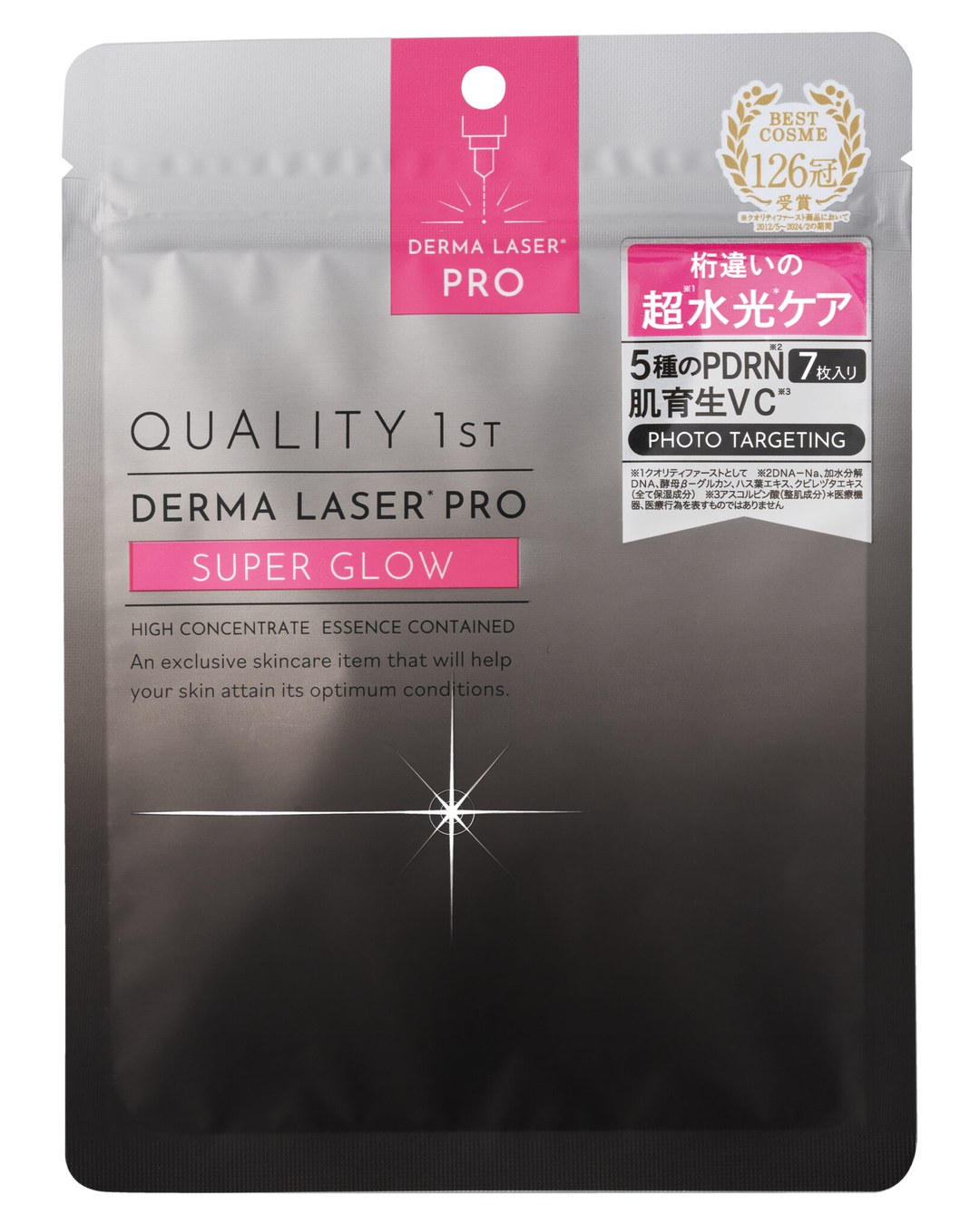
Quality First Calls Its New Mask Line the Brand's Highest Peak. It Said That Twice Before.
Quality First's press release for its new Derma Laser PRO masks calls the line the brand's highest peak in history, a claim its own footnote says is measured only against its earlier products. It is at least the third time since November 2023 that the company has given a new Derma Laser launch that same superlative, each one self-assessed rather than benchmarked against a rival or an outside standard.
-
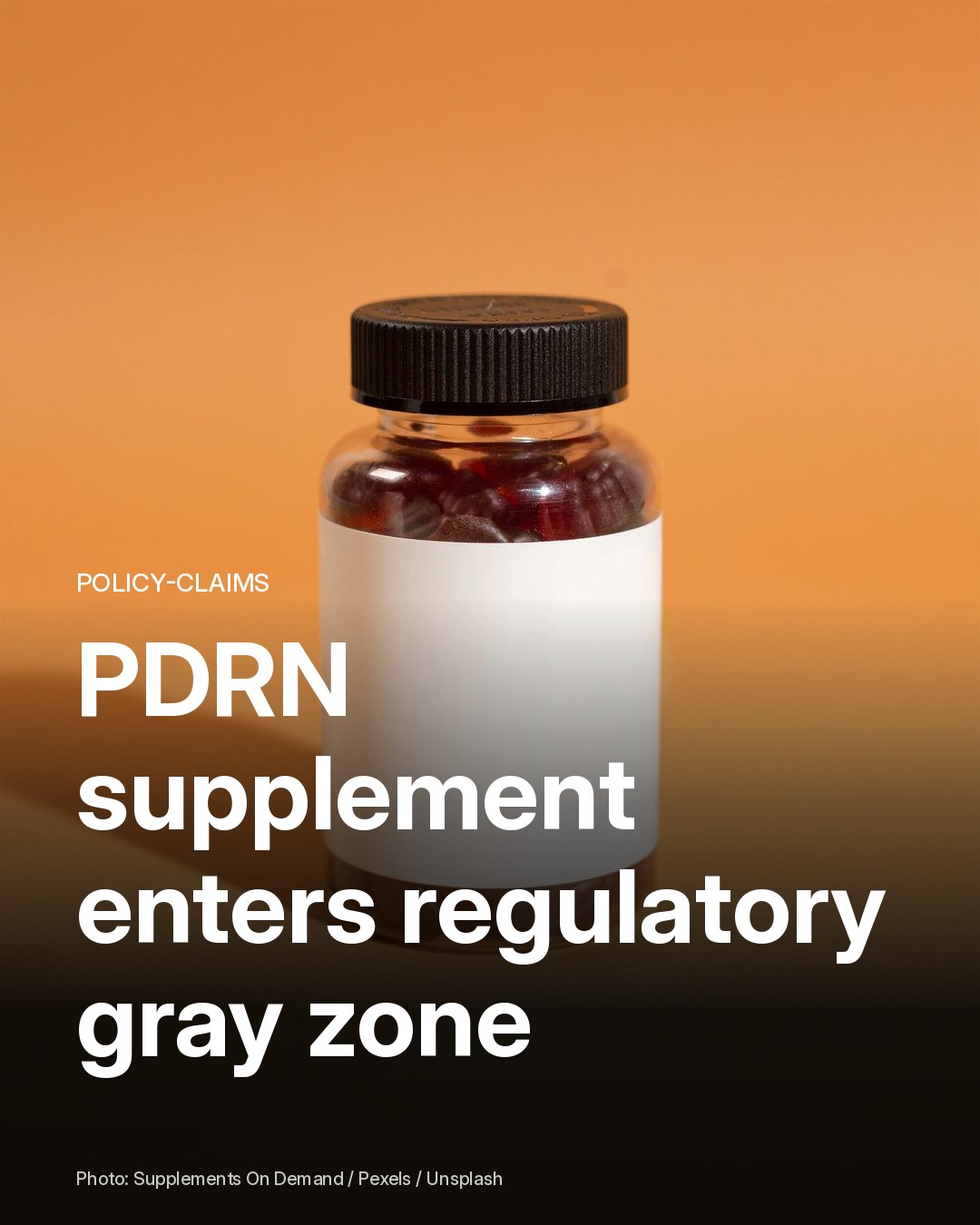
Vital Beautie's PDRN Supplement Launches Into a Regulatory Gap
Amorepacific's Vital Beautie has launched an oral PDRN and collagen supplement, but PDRN itself carries no health-functional-food recognition from Korea's food and drug regulator, unlike the collagen it is paired with, even as regulator advertising violations tied to PDRN have climbed sharply since 2023.
