Report
England's Cosmetic Injectables Complaints Pile Up While a 2022 Licensing Law Sits Unused
FOI data shows 1,700+ UK complaints over fillers, Botox and BBLs since 2021, but the detailed London-borough figures reveal patchy council enforcement and a licensing law still unused four years on.
Published
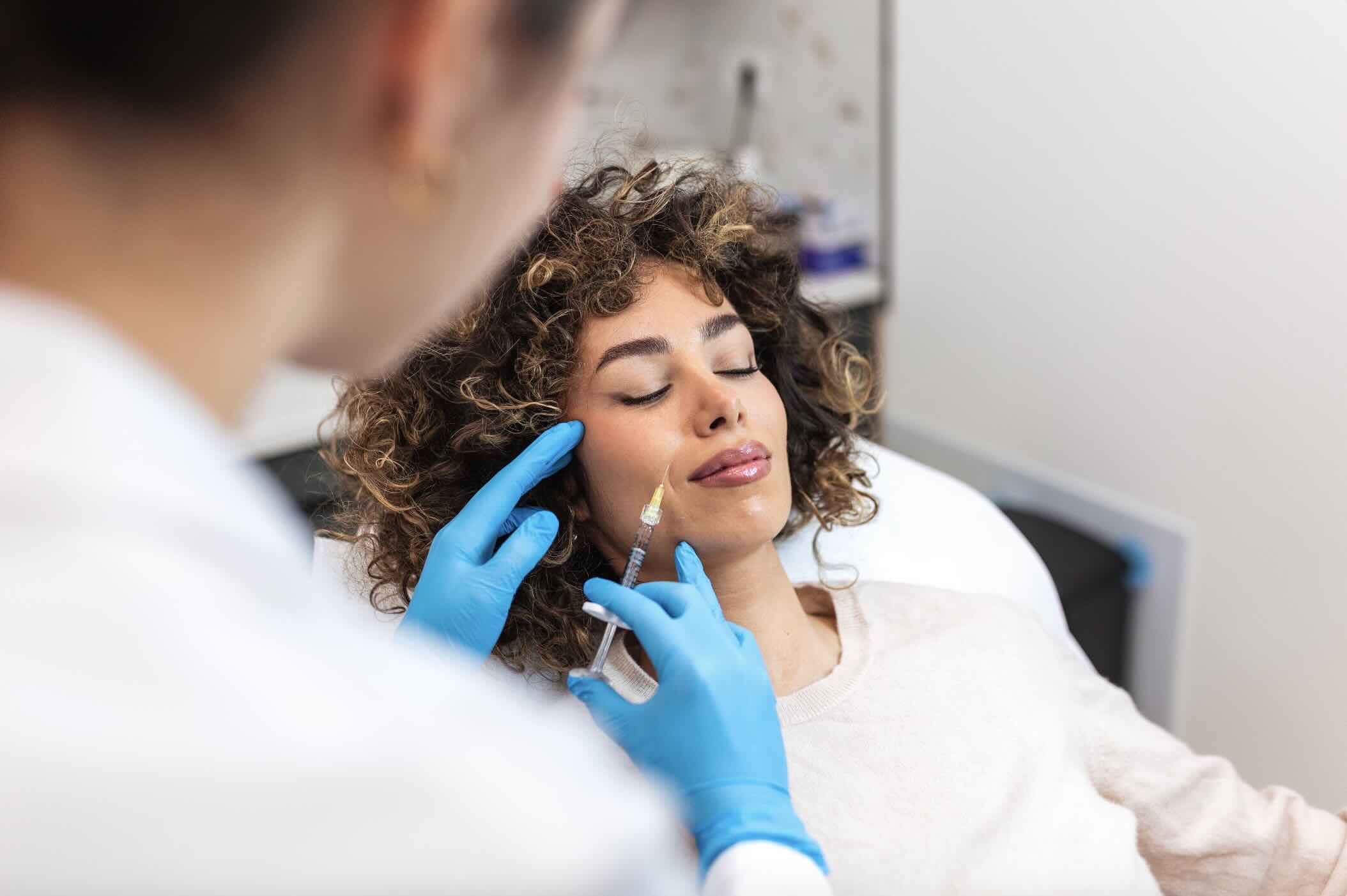
More than 1,700 complaints about botched fillers, Botox and non-surgical Brazilian Butt Lifts have piled up at councils in England since January 2021, according to Freedom of Information data compiled by VIP Italia, an Italian aesthetics-equipment manufacturer with a commercial stake in pushing rogue operators out of the market. The figures, first reported by Professional Beauty, land at a moment when the law has still not caught up with the industry it describes.
The headline number obscures a narrower reality. The detailed breakdowns behind it, covering London borough councils rather than England as a whole, show 117 complaints concentrated in a handful of boroughs: Islington logged 20, Westminster 16, Barnet 11, Havering 10 and Wandsworth 9. Of those, 41 involved injury, infection, hospitalisation or other medical complications. Councils recorded 208 inspections or investigations in response, yet Havering alone accounted for 142 of them despite reporting only 10 complaints, a gap that points to wildly inconsistent enforcement practice between local authorities rather than a uniform national response. Only 27 warning letters and 18 prohibition notices were issued across the entire dataset.
The underlying problem is that anyone in the UK can currently offer injectable cosmetic procedures with no licence, qualification or training requirement. Parliament gave ministers the power to fix this in the Health and Care Act 2022, section 180, which allows for a licensing scheme covering non-surgical treatments in England and Wales. Four years on, no scheme exists. The government's consultation response, published in August 2025, proposed a three-tier red, amber and green risk model, with the highest-risk procedures, including liquid BBLs, folded into CQC-regulated activity rather than left to local licensing. A further consultation is expected sometime in 2026.
The delay has drawn direct criticism from Parliament. The House of Commons Women and Equalities Committee, in its report published in February 2026, called for an immediate ban on high-harm procedures like liquid BBLs and a licensing system for lower-risk treatments within this Parliament. The government's response was due on 18 April 2026 and has not materialised; the committee's chair has publicly accused ministers, including Health Minister Karin Smyth, of moving too slowly. Alice Webb, 33, died in September 2024 after complications from a liquid BBL, in what is believed to be the first recorded UK death linked to the procedure. The practitioner under investigation in her case, Jordan Parke, died in February 2026 during another cosmetic appointment in Canary Wharf. Her inquest, delayed since a pre-inquest review in May, has yet to report a finding.
