Analysis
Sephora Bets on M&S With the Same Playbook It Just Dropped at Kohl's
Sephora's shop-in-shop deal with Marks & Spencer revives a format it just abandoned at Kohl's in the US, arriving as M&S recovers from a costly 2025 cyberattack and UK beauty retail gets more crowded.
Published
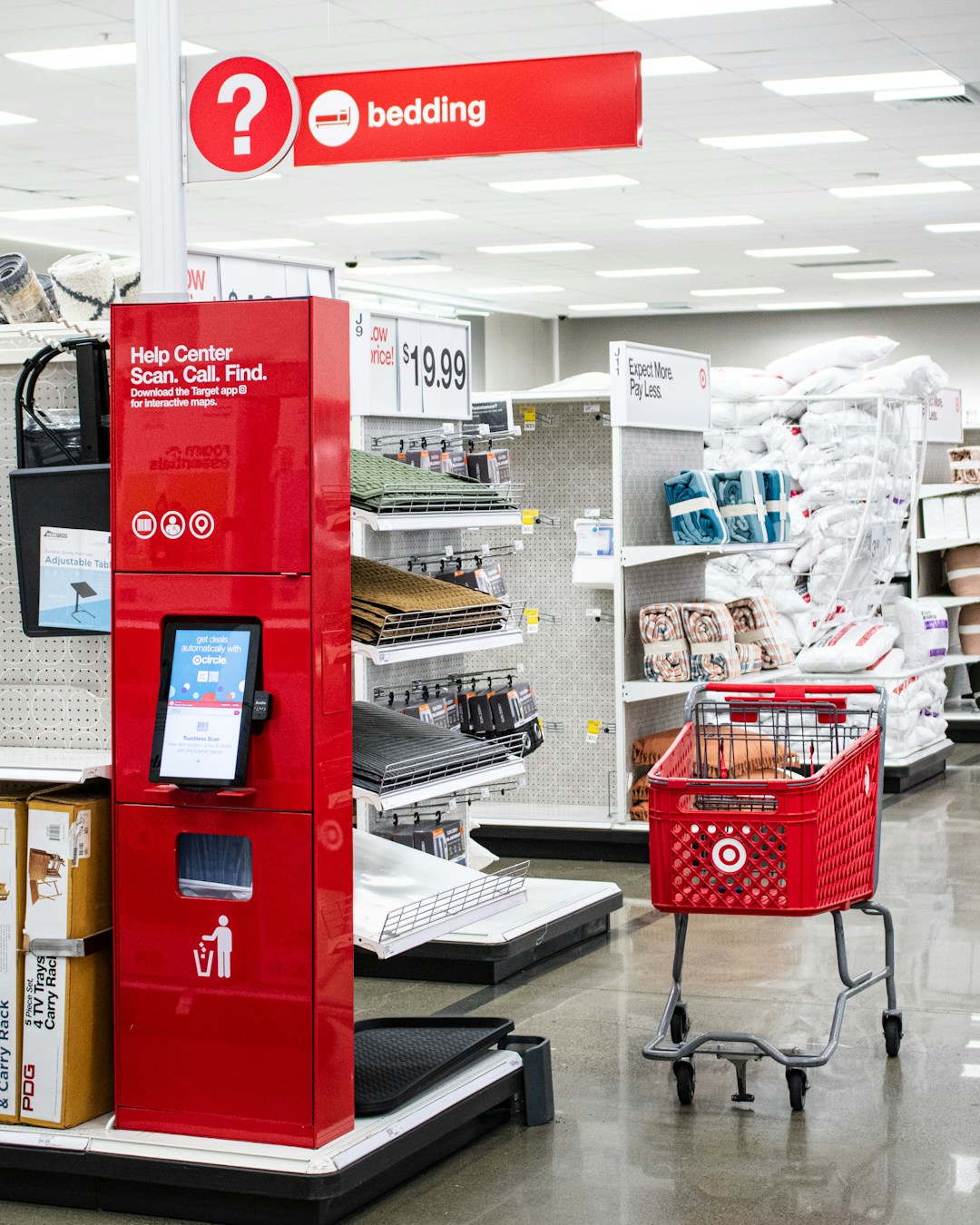
Sephora's plan to install roughly 2,500-square-foot beauty shops inside about 100 Marks & Spencer stores starting in spring 2027 is, on paper, a straightforward real estate play: prestige beauty gets a shortcut into towns and high streets it would otherwise need years and heavy capital to reach on its own. But the deal is really a bet on a format that Sephora already tried once, at a much larger scale, and just walked away from.
That precedent is Sephora at Kohl's, the US shop-in-shop arrangement that launched in August 2021 and scaled to more than 1,100 locations, generating over $1.4 billion in sales by 2023 and pulling in more than a million new, younger and more diverse Kohl's shoppers. It was, by the numbers, one of the most successful department-store beauty partnerships in recent memory. Kohl's and Sephora ended it in August 2026. Neither company has detailed publicly why the format was discontinued, but the timing is hard to ignore: LVMH's Sephora is now exporting the same shop-in-shop mechanic to a different retailer just as it shut the US version down.
Sephora's president of Europe and Middle East, Catherine Spindler, framed the M&S tie-up to WWD as the next step in a UK comeback that has already taken years to rebuild. Sephora first entered Britain in 2000 through a Bluewater store and pulled out entirely in 2005, unable to dent the dominance of Boots and Superdrug. It re-entered UK e-commerce in October 2022 on the back of its 2021 acquisition of FeelUnique, then reopened its first physical store at Westfield White City in March 2023, followed by a slow build to roughly 17 to 18 standalone locations, including newer boutique-format shops on Carnaby Street and at Old Spitalfields Market this year. The M&S deal, with a shop-in-shop in about 100 stores plus M&S's website, would multiply Sephora's UK footprint many times over in one move rather than through years of one-by-one openings.
What the deal does not yet reveal is who pays for it. Neither company has disclosed the fit-out costs, the split between rent and revenue-share, or which stores will get a Sephora shop first. Those terms determine whether this is a genuinely replicable model for Sephora's expansion elsewhere or a bespoke arrangement built around M&S's specific real estate and balance sheet. Given that the closest comparable, the Kohl's partnership, just ended after five years, the economics of this one carry more weight than the announcement suggests.
M&S has its own reasons for wanting a marquee beauty partner right now, beyond the fact that third-party brands already make up more than 40% of its beauty sales. The retailer is still recovering from a cyberattack in April 2025 that knocked out online ordering for roughly a week and was not fully resolved until August. M&S has put the cleanup cost near £136 million, with clothing, home and beauty sales falling about 16% during the worst of the outage and still down 2.9% in later reporting. Group pre-tax profit for the fiscal year dropped from £671 million to £210 million. Chief executive Stuart Machin has been pushing a wider store overhaul since, including the renewal of the Oxford Street flagship and tests of beauty- and fashion-only boutique concepts, and Sephora now becomes the most visible piece of that recovery push, arriving in stores at a moment when M&S needs a reason for shoppers to walk back in.
The UK prestige beauty floor Sephora is chasing has also gotten considerably more crowded since it last set a strategy. Ulta Beauty entered the country for the first time in July 2025 by acquiring Space NK's 83 UK and Ireland stores for a reported £300 million-plus, giving it an immediate, established footprint on British high streets. Boots has answered by opening standalone Boots Beauty concept stores, including at Battersea Power Station and in Bristol, to defend the incumbent position it held onto even through Sephora's first UK failure two decades ago. Department stores are spending too: John Lewis has upgraded six of its 34 beauty halls with more renovations planned for 2026, and Selfridges, Harrods and Harvey Nichols are all investing in their own beauty spaces. Sephora's answer to that pressure is not a flagship of its own but borrowed square footage inside a partner's stores, a faster route to shelf space than building out its own real estate one lease at a time.
For LVMH, the stakes of getting the UK right go beyond one country. Sephora was a standout performer in the group's Selective Retailing division in its first-half 2026 results, with organic revenue up 5%, and LVMH explicitly cited UK expansion and new boutique openings as a driver of that growth. That growth matters more than usual because LVMH's core Perfumes and Cosmetics division, which houses the luxury brands Sephora sells, was flat to declining over the same period. Sephora's retail expansion is carrying a disproportionate share of LVMH's beauty story right now, which raises the pressure on the M&S bet to work.
Spindler's own title is a small but telling detail in how the deal is being framed. She was appointed president of Sephora Europe and Middle East in January 2025, succeeding Sylvie Moreau, and her remit covers the whole region rather than the UK specifically; the UK business has its own managing director, Sarah Boyd. That the company chose its regional president rather than its UK head to describe the M&S strategy in public suggests Sephora is treating the deal less as a single-market store rollout and more as a template it wants to test before deciding where else to run it.
