Augustinus Bader's Spa at The Mark Is a Distribution Strategy, Not an Amenity
Augustinus Bader is turning hotel lobbies into its retail counter, opening a spa at The Mark that doubles as a margin play for both the skincare brand and a financially stretched trophy hotel.

Key figures
- price of Augustinus Bader product
- $280-a-jar wwd.com
- refinancing led by Deutsche Bank
- $345 million commercialobserver.com
- reported sale offer turned down
- $1 billion commercialobserver.com
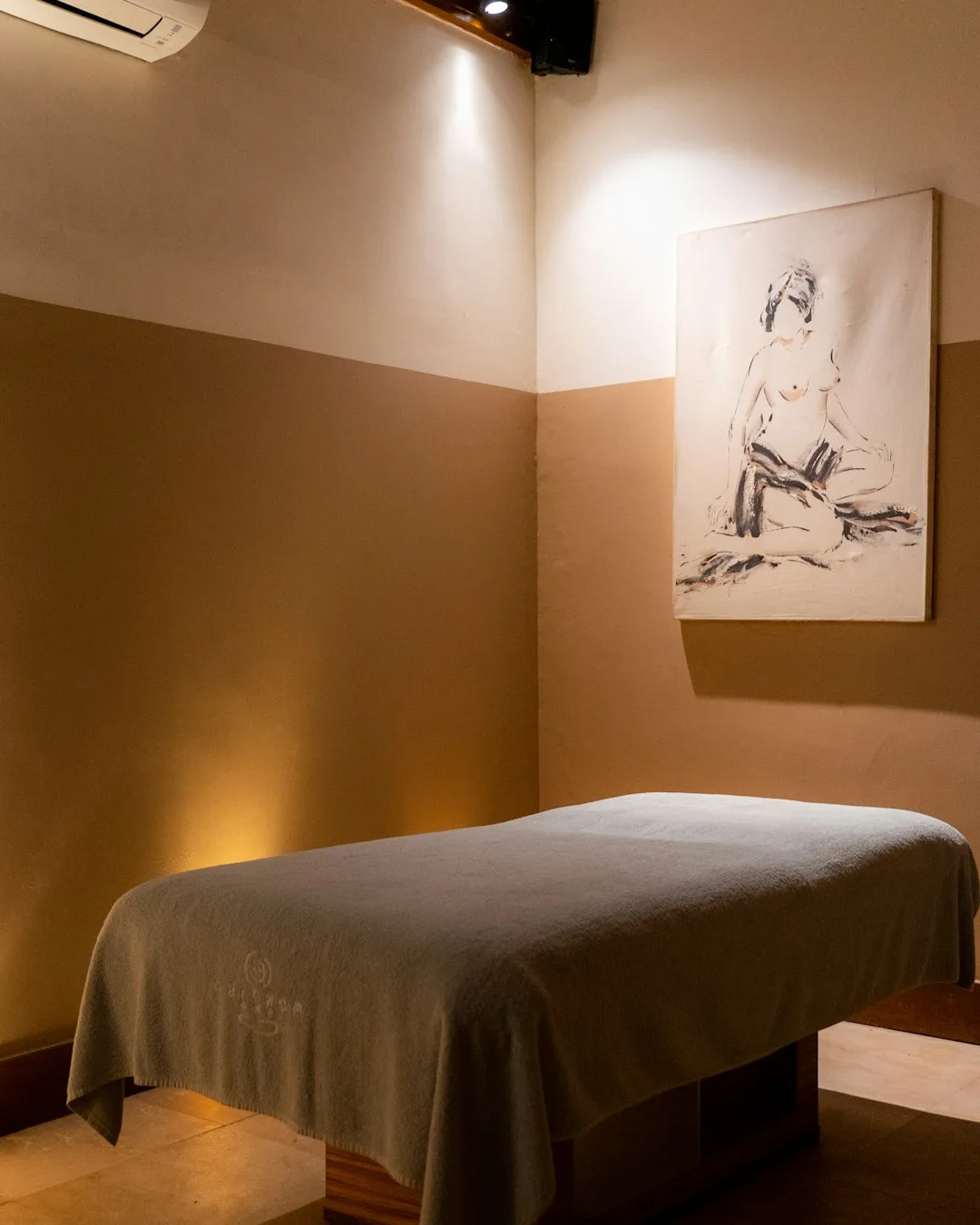
Augustinus Bader is opening a spa inside The Mark Hotel on Manhattan's Upper East Side, its first standalone treatment space in New York City proper and the latest stop in a hotel-by-hotel rollout that has placed the skincare brand inside the Beverly Hills Hotel, Claridge's in London, the Bvlgari Resort Bali and Four Seasons Chicago. Charles Rosier, the brand's cofounder and chief executive, describes the new space as a "cocoon," built around three focus rooms, one equipped with a hyperbaric chamber.
The strategy sidesteps the retail problem every prestige skincare brand faces: department store counters compress margin and bury a $280-a-jar product among competitors. A hotel spa sells the same brand as a service, at service markups, to a captive guest list that already pays several thousand dollars a night. Augustinus Bader already runs its own Skin Lab concept, a joint venture with Lanserhof, above The Webster in SoHo, so the Mark deal adds a second, higher-end New York foothold rather than its first.
For The Mark, the addition lands inside a longer financial story. Owner Alexico Group, led by Izak Senbahar and Simon Elias, has cycled through missed mortgage payments, a blocked foreclosure auction and a $345 million refinancing led by Deutsche Bank, even while turning down a reported $1 billion sale offer, according to Commercial Observer. A branded spa is a cheap, high-margin way to justify room rates at a property that, unusually for its price tier, has gone years without a dedicated spa or pool.
Whether the science underneath the brand holds up is a separate question. Stem-cell biologist Paul Knoepfler examined Augustinus Bader's TFC8 complex in 2022 and found scant peer-reviewed support for its regenerative claims, writing that calling Professor Augustinus Bader a top expert in the field was "subjective." Patent filings show TFC8 leans heavily on familiar cosmetic ingredients like vitamin E acetate and ceramides. None of that has slowed the brand's march through five-star lobbies.
