Analysis
Baldness Drugs Are Wall Street's Next Goldmine
Wall Street is pricing hair-loss drugmakers like the next GLP-1, with Veradermics up nearly 500% since its February IPO and Lilly backing Absci's antibody bet.
Published
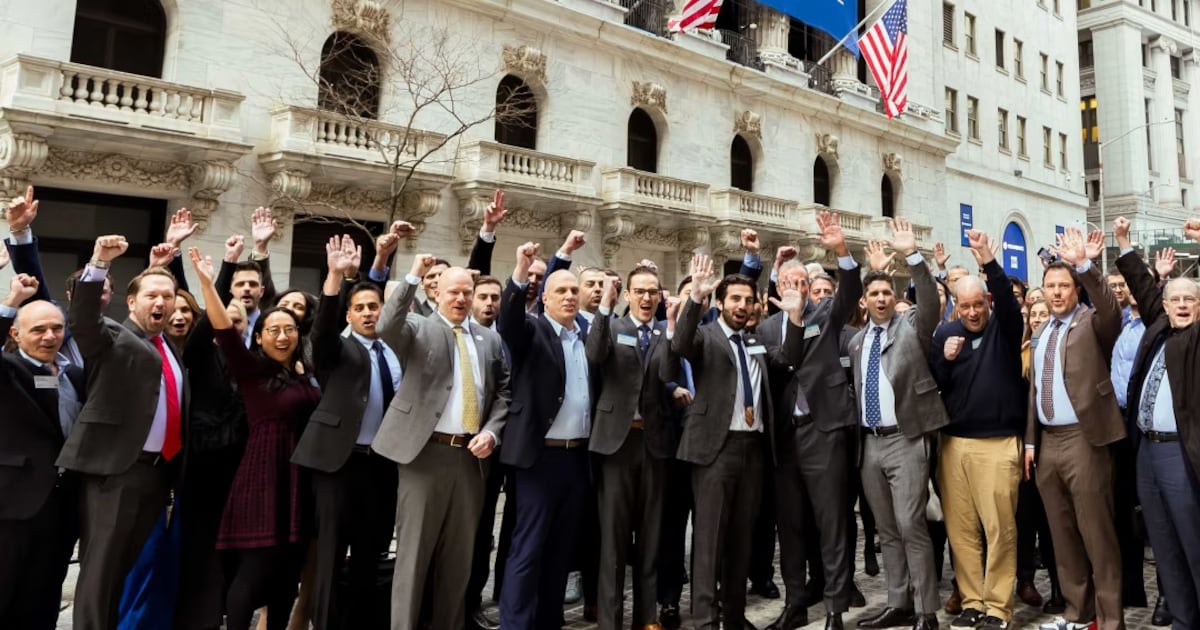
Hair-loss drugmakers are having a moment on Wall Street, and the money trail looks a lot like the early days of the GLP-1 boom. Veradermics, which listed on the NYSE in February after raising $256.3 million, has seen its stock climb nearly 500% since its debut, according to Bloomberg. Absci Corp, an AI-driven drug designer, has more than doubled in 2026. Investors are betting that a category which hasn't produced a new FDA-approved treatment since finasteride and minoxidil in the 1990s is finally due for one.
The capital backing that bet is notable as much for who's writing the checks as how much. Eli Lilly, the company whose Zepbound and Mounjaro built the GLP-1 category, led a $100 million funding round for Absci in June, contributing $40 million toward its lead antibody, ABS-201, according to STAT News. BTIG has initiated coverage of Absci with a buy rating and a $9 price target, citing peak sales potential of $2.2 billion for that drug alone; Guggenheim has set its target as high as $15. For Lilly, the bet reads as an extension of a franchise already built on treating metabolic and cosmetic-adjacent conditions at scale, rather than a step outside it.
Veradermics' pitch to investors centers on VDPHL01, an extended-release oral minoxidil designed to avoid the cardiac-activity risks associated with the older drug. In Phase 3 trials, patients on the once-daily formulation gained 30.3 hairs per square centimeter over six months, versus 7.3 for placebo. If approved, it would be the first new oral pill for pattern hair loss in roughly three decades.
Not every company riding the same scientific wave has been rewarded with the same multiple. Cosmo Pharmaceuticals, the Zurich-listed maker of topical clascoterone, has produced Phase 3 data showing improvements in hair count as high as 539% relative to placebo across trials spanning 1,465 men. Its stock has lagged the US rally anyway, weighed down, per Bloomberg, by investor attention gravitating toward the American names. Cosmo is targeting regulatory filings in early 2027.
Underlying the enthusiasm is a safety cloud over the current standard of care that gives the new entrants a commercial opening. Finasteride, still the dominant prescription treatment sold generically and through telehealth players like Hims & Hers, has drawn years of litigation over so-called post-finasteride syndrome, a claimed set of persistent sexual and psychiatric symptoms; the FDA rejected a 2022 petition from the Post-Finasteride Syndrome Foundation for lack of causal evidence, but lawsuits have continued to settle out of court. A non-hormonal pill or a topical with a different mechanism doesn't carry that baggage, which is part of what investors are pricing in.
There's a structural irony sitting underneath the whole trade: GLP-1 drugs, the category investors keep citing as the template for this rally, are themselves linked to hair loss in a subset of patients losing weight rapidly, with roughly 3% of Wegovy trial participants reporting it versus 1% on placebo. The same wave of drugs that built the playbook for pricing a cosmetic prescription market may also be adding customers to it.
