Analysis
LYMA Wants Its P.O.W.E.R. Index to Become Wellness's Evidence Standard. It Has No Referee.
LYMA is asking the wellness industry to adopt its five-part P.O.W.E.R. Index as a shared evidence standard, but has no audit mechanism and its own ASA claim violations.
Published
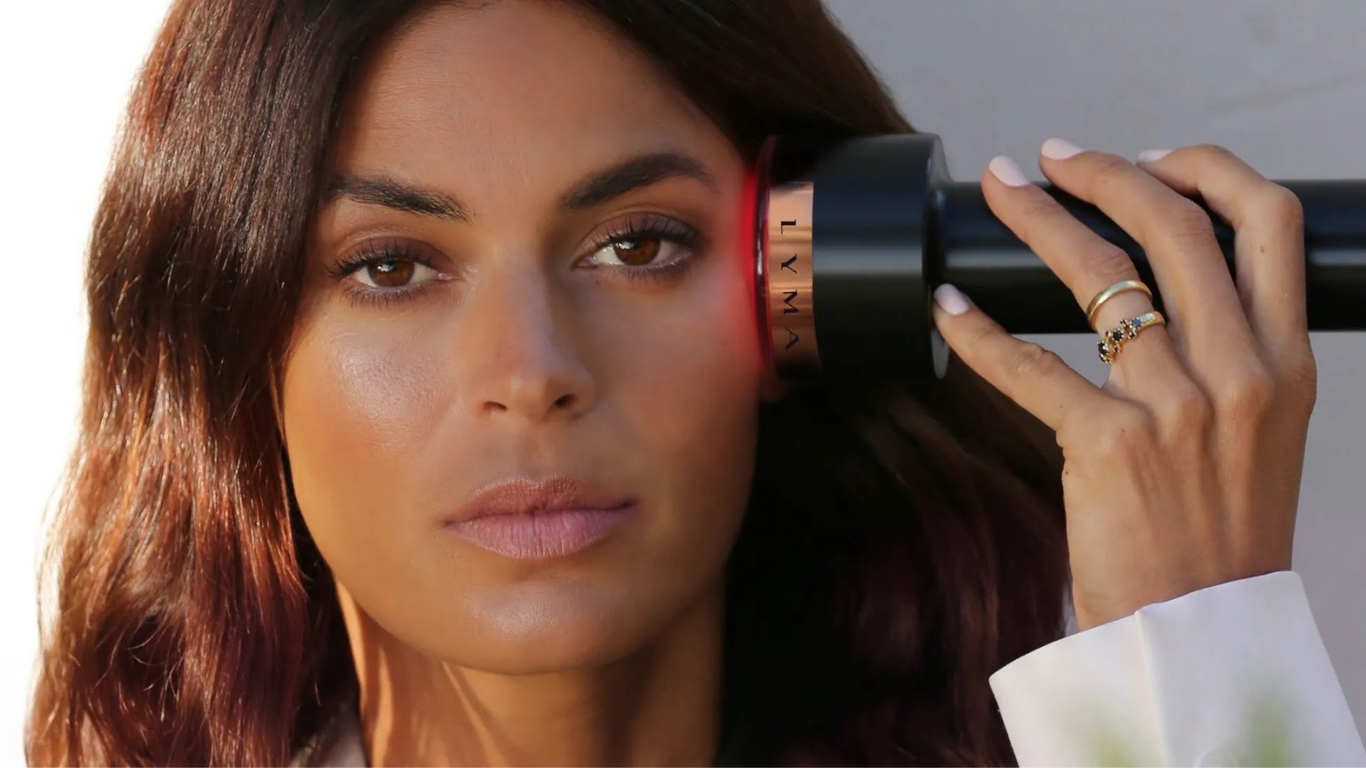
LYMA, the British MedTech brand known for its at-home laser and supplement line, has introduced a five-part scoring system it wants the wellness industry to adopt as a shared standard. Built with the consultancy The Future Laboratory, the P.O.W.E.R. Index asks whether a product is Proven, delivers meaningful Outcomes, treats the body as a Whole system rather than isolated symptoms, is Empowering for the user's understanding, and offers lasting Return rather than short-term optimization.
The framework leans specifically toward women's health. Its 'Whole-System' pillar is framed around treating women's biology as interconnected rather than symptom-by-symptom, and LYMA cites research finding that 56% of women struggle to tell genuinely science-backed products from those merely borrowing scientific language. Founder Lucy Goff described the move as an act of codification rather than invention: "The P.O.W.E.R. Index is the first time that standard has been written down, and it belongs to the industry, not just to us," she said, adding that LYMA was built on the belief that health purchases deserve the same scrutiny as any serious investment.
What is missing so far is any mechanism for enforcing that standard. LYMA has not said whether brands that adopt the P.O.W.E.R. Index will be audited by an outside party or simply asked to self-certify, and no other wellness company has yet been named as a signatory. A framework with no verification body functions less like a regulatory instrument and more like a positioning tool, one brand's language for what good evidence looks like, offered to the category at large.
That gap matters given LYMA's own record with the UK's Advertising Standards Authority. The regulator has upheld complaints against the company twice: once over an Instagram ad claiming the LYMA Laser was '100x more effective than LED masks' and the 'world's most powerful home beauty device,' a comparative claim the ASA found unsubstantiated, and separately over a YouTube ad for LYMA's supplement that made general health claims without pairing them with the specific authorized claims required under Great Britain's nutrition and health claims register. Both rulings turned on exactly the kind of claims-substantiation question the new index says it exists to police.
Goff's public posture on regulation has also cut in two directions. In comments to NutraIngredients last November, she argued that ASA rules make it nearly impossible for women's health brands to even mention menopause without triggering disease-claim restrictions, and she urged the industry to lobby against what she called red tape. That call for looser marketing rules sits awkwardly next to a framework pitched as a stricter, shared evidentiary bar, and it lands inside an active enforcement climate: the ASA's AI-assisted ad monitoring has sanctioned several menopause and hormone-health brands, including Lunera, Minerva Wellness and Nova Menopause Vitality, over unauthorized treatment claims.
LYMA's timing is not incidental. The company reported $48 million in revenue and $7 million in EBITDA for its 2025 fiscal year, driven by the April 2025 launch of the LYMA Laser PRO and a US market that now accounts for more than 70% of global sales. With further US expansion planned alongside moves into the UK, Australia and the UAE in 2026, a self-declared industry standard doubles as a trust signal timed to that growth, a claim to category leadership made in the same breath as the claims LYMA is asking everyone else to prove.
