In Fragrance, Estée Lauder Finds a New Foothold
Estée Lauder's fragrance unit grew 10 percent organically in fiscal 2026, pushing Jo Malone and Tom Ford into its billion-dollar brand tier. The gains mask a stalled makeup recovery, tariff costs near $102 million, and an unresolved review of whether to sell or keep Too Faced, Smashbox and Dr. Jart+.

Key figures
- Fragrance organic sales growthfiscal 2026
- 10 percent glossy.co
- Fragrance revenuefiscal 2026
- $2.78 billion glossy.co
- Price paid for Tom Ford brand acquisitionclosed April 2023
- $2.8 billion glossy.co
- Skincare sales declinefiscal 2024
- 10 percent moodiedavittreport.com
- Overall organic growth guidancefiscal 2027
- 3 to 5 percent moodiedavittreport.com
- Gross tariff costsfiscal 2026
- $102 million esmmagazine.com
The Estée Lauder Companies closed fiscal 2026 with fragrance organic sales up 10 percent and reported fragrance revenue near $2.78 billion, the company's fastest growing category. Jo Malone London and Tom Ford Beauty moved into ELC's billion-dollar brand tier alongside Estée Lauder, Clinique, La Mer and MAC, according to the company's results reported by Glossy.
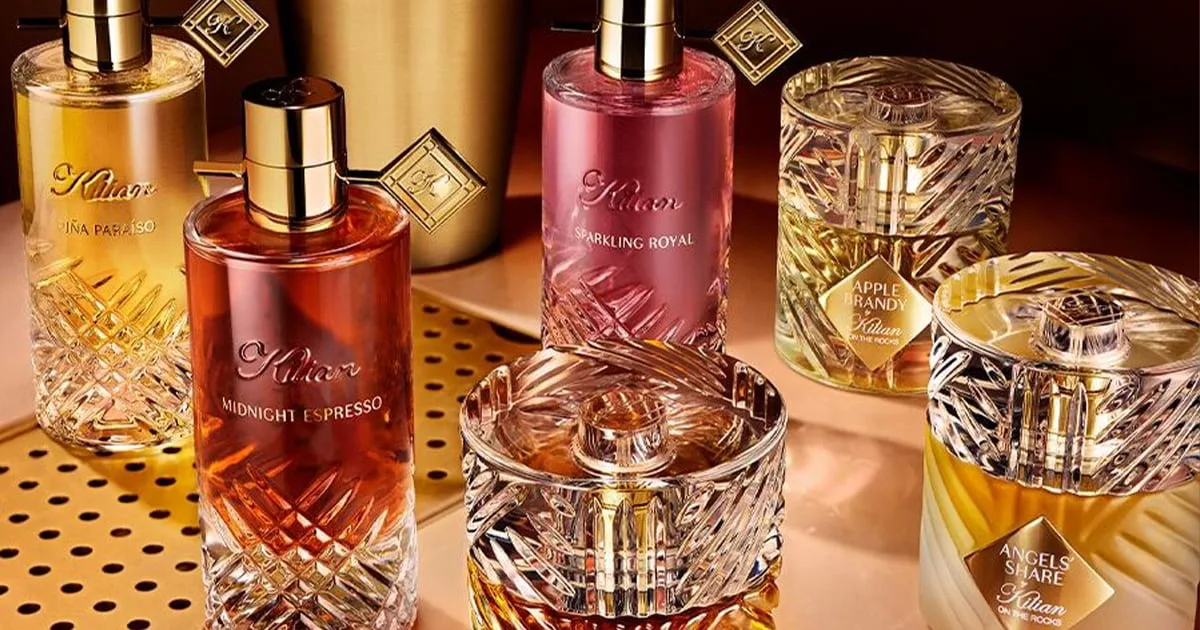
The fragrance strength traces back to a string of acquisitions. ELC licensed Tom Ford Beauty starting in 2006, then bought the full Tom Ford brand, fashion, beauty and intellectual property, for $2.8 billion in a deal that closed in April 2023. Executives at the time called the purchase a fragrance bet, Glossy reported. ELC had already bought Le Labo in 2014 and Kilian in 2016, building a niche fragrance bench years before this growth became a headline number.
CEO Stéphane de La Faverie, who took the top job on January 1, 2025 after 16 years under Fabrizio Freda, ran that bench directly. As Executive Group President he oversaw both the billion-dollar brands and the scaling brands, Le Labo included, according to his biography on ELC's investor relations site.
Skincare and makeup haven't matched that pace. Skincare fell 10 percent in fiscal 2024 as Asia travel retail collapsed, and ELC withdrew its full-year forecast the following year, citing an inability to predict a China recovery timeline, the Moodie Davitt Report noted. Fiscal 2027 guidance calls for overall organic growth of 3 to 5 percent, with makeup expected to return to growth, a phrase that concedes it hasn't been growing.
Fragrance's momentum sits alongside an unresolved portfolio review. ELC hired Evercore in January 2025 to examine Too Faced, Smashbox and Dr. Jart+ for sale, Cosmetics Business reported, with bids reportedly in by May 2026. BeautyMatter later reported ELC reversed course in July, choosing to keep and restructure the three brands, including moving Too Faced's headquarters from Los Angeles to New York with a smaller team. ELC hasn't confirmed either the sale process or the reversal on the record.
Tariffs cut into the fragrance story too. Gross tariff costs hit roughly $102 million in fiscal 2026, partly offset by a $38 million refund in the fourth quarter, with management telling ESM Magazine it's mitigating more than half the impact through supply-chain localization and pricing.
The wider category may be cooling. Puig's chief executive has said he expects fragrance growth to normalize, Cosmetics Design Europe reported, while LVMH's perfume and cosmetics division ran flat to down through 2025 and Coty's prestige division fell about 4 percent. ELC's gains look less like a rising tide and more like share taken from slower rivals, brand by brand, atelier by atelier, while a leased floor in Los Angeles sits half empty as Too Faced packs for New York.
