JD.com Cites K-Beauty Demand, Then Signs an Eyewear Brand
JD Group's vice chairman framed his company's new Korean purchasing subsidiary as a bet on rising K-beauty demand, but the only contract disclosed from the launch event went to an eyewear brand, and Korea's cosmetics exports to China fell 5.1 percent in the same half.
Published · Updated
JD Group vice chairman Yang Chikun told roughly 200 Korean consumer goods companies in Seoul on August 12 that rising K-beauty and K-food demand, driven by the global Korean Wave, is why his company is expanding direct purchases from Korea. The one contract signing the event actually produced went to an eyewear brand.
The Ministry of Trade, Industry and Energy and KOTRA hosted the briefing at KOTRA's Seoul headquarters to mark JD.com's launch of a dedicated Korean sourcing subsidiary, established June 18. Under the direct-purchase model, JD.com buys inventory outright from Korean makers and resells it on its own platform, bypassing the Chinese distributors most Korean exporters depend on. JD.com topped China's 2025 ranking of private companies by revenue, the first to clear one trillion yuan.
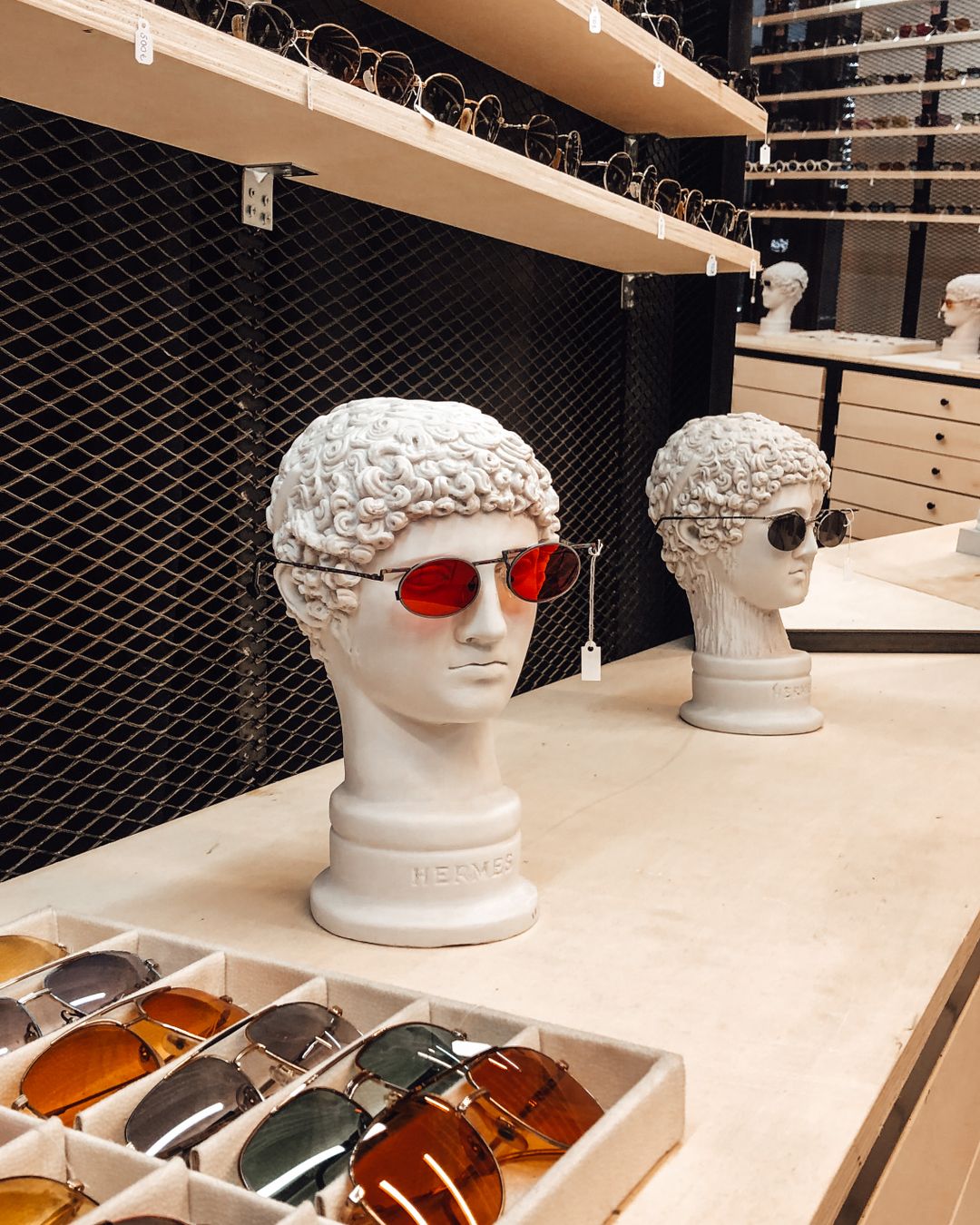
JD's product managers ran 54 pre-screened one-on-one meetings, and nine Korean companies signed import contracts worth a combined 1.5 million dollars, to be fulfilled by year end, KOTRA said. The only signatory named in any account of the day is Reclow, a Seoul eyewear and accessories brand founded in 2015, which also opened a flagship storefront on JD.com the same day. Its chief executive, Kim Seong-jun, said the arrangement let a smaller exporter resolve logistics and payment problems that usually block direct entry into China.
"Small and mid-sized companies find it hard to export even when their products are competitive, but now we can list directly on JD and resolve logistics and payment difficulties all at once," Kim said.
The category JD named is not the one that showed up
No cosmetics company appears among the nine signatories in any account of the event, and KOTRA's own trade numbers explain why the pitch and the deal flow point different directions. Combined exports of five consumer categories, cosmetics, food, fashion, household goods and pharmaceuticals, to China reached 3.44 billion dollars in the first half of 2026, up 8.7 percent from 3.16 billion a year earlier. Cosmetics alone moved the other way: shipments to China fell 5.1 percent in the same half, to 850 million dollars, a second straight first half under the 1 billion dollar mark for a market that still cleared 1.05 billion as recently as the first half of 2024.
That decline sits inside a record year everywhere else. The trade ministry's own first-half figures put Korea's total cosmetics exports at 7 billion dollars, up 27 percent year on year. China is the one major market where that growth is not showing up, even as Yang was citing beauty demand as his reason for opening a Korean buying desk.
What the day actually bought
KOTRA President Kang Kyung-sung called the session a way to secure "cooperation with major local platforms" for a Chinese market KOTRA itself has flagged as increasingly crowded with domestic brands. What the day produced was a new distribution channel and one disclosed contract, not evidence that JD.com's model has yet carried a Korean beauty brand's product onto its shelves. At 1.5 million dollars, the disclosed contract value is a rounding error against the 3.44 billion dollar China trade the event was framed as supporting, smaller still against the 850 million dollar cosmetics figure Yang's own remarks were aimed at reversing.
