Report
Back-to-School Displays Are Becoming a Skincare Battleground
Retailers are folding skin-barrier creams and serums into back-to-school shopping trips, turning a seasonal supply run into a new front in the fight for tween beauty spend.
Published
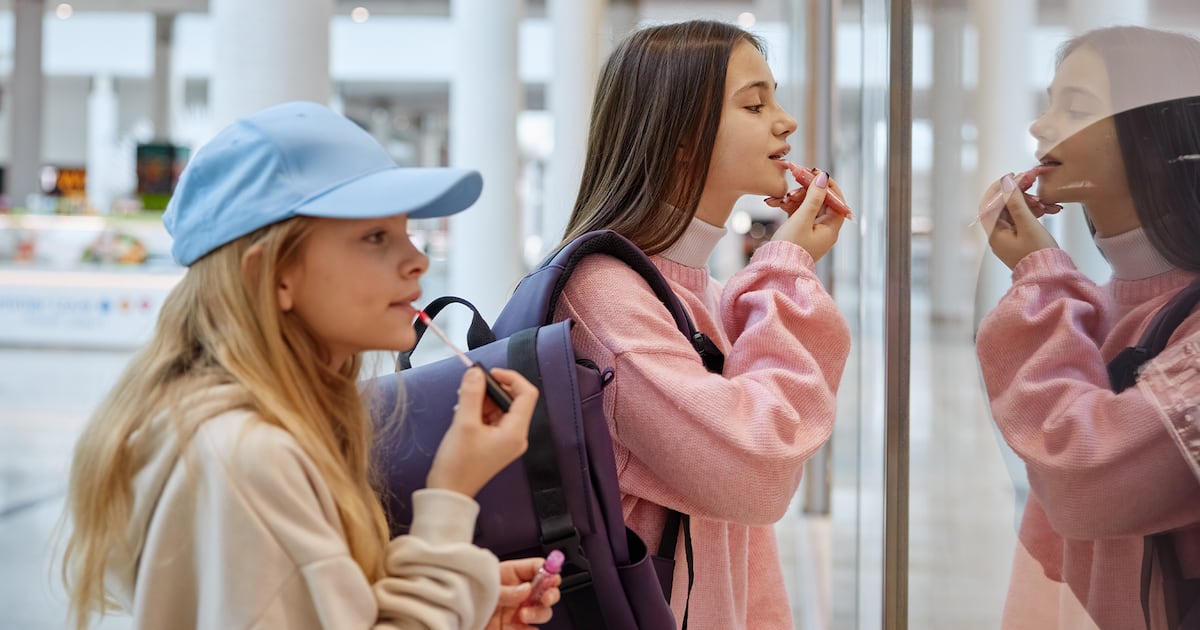
Late summer used to mean backpacks, notebooks and a new lunchbox. Retailers are now betting it also means a tween's first skincare haul, and they are rearranging shelves accordingly, according to reporting by The Business of Fashion.
The shift is showing up in how mass retailers merchandise the season. Rather than confining skincare to the beauty aisle, chains are placing moisturizers and cleansers near back-to-school displays, positioning barrier creams and SPF as supply-list staples alongside pens and folders.
The brand mix in these displays is telling. Dermatologist-endorsed names like CeraVe and La Roche-Posay, long anchored in pharmacy and dermatology channels, are showing up next to Medicube, a Korean brand whose rapid rise in US retail reflects how quickly K-beauty has moved from niche import to mainstream mass-market fixture.
For retailers, the appeal is straightforward: a shopping occasion that was previously dominated by office supplies and apparel now carries a personal-care basket that tends to skew toward higher-margin skincare rather than commodity school gear, giving chains a reason to expand the category's footprint during a period that already brings heavy foot traffic.
That footprint expansion matters most for who controls shelf space. Brands able to secure placement in the school-shopping aisle, rather than being left in a separate beauty department, gain exposure to a shopping trip that parents and tweens already treat as a fixed calendar event, making seasonal distribution decisions as consequential as the products themselves.
The category's growth also raises the stakes for retailers deciding which brands earn that placement. A skincare line that lands in the back-to-school set gets a recurring, dated moment of demand each year, a kind of distribution advantage that beauty brands historically had to build through years of loyalty programs or influencer campaigns, now compressed into a single seasonal retail decision.
