SONOKO's Ginza Fair Marks a Pivot From Win-Back to New Customers
SONOKO's Philippine-themed cafe fair in Ginza, run with the Philippine Embassy and timed to the 70th anniversary of Japan-Philippines diplomatic relations, is framed by its president as a bid for customers the mail-order beauty company does not have yet. That marks a break from the lapsed-customer reactivation strategy that pulled the company out of a post-founder-death decline.
Published · Updated
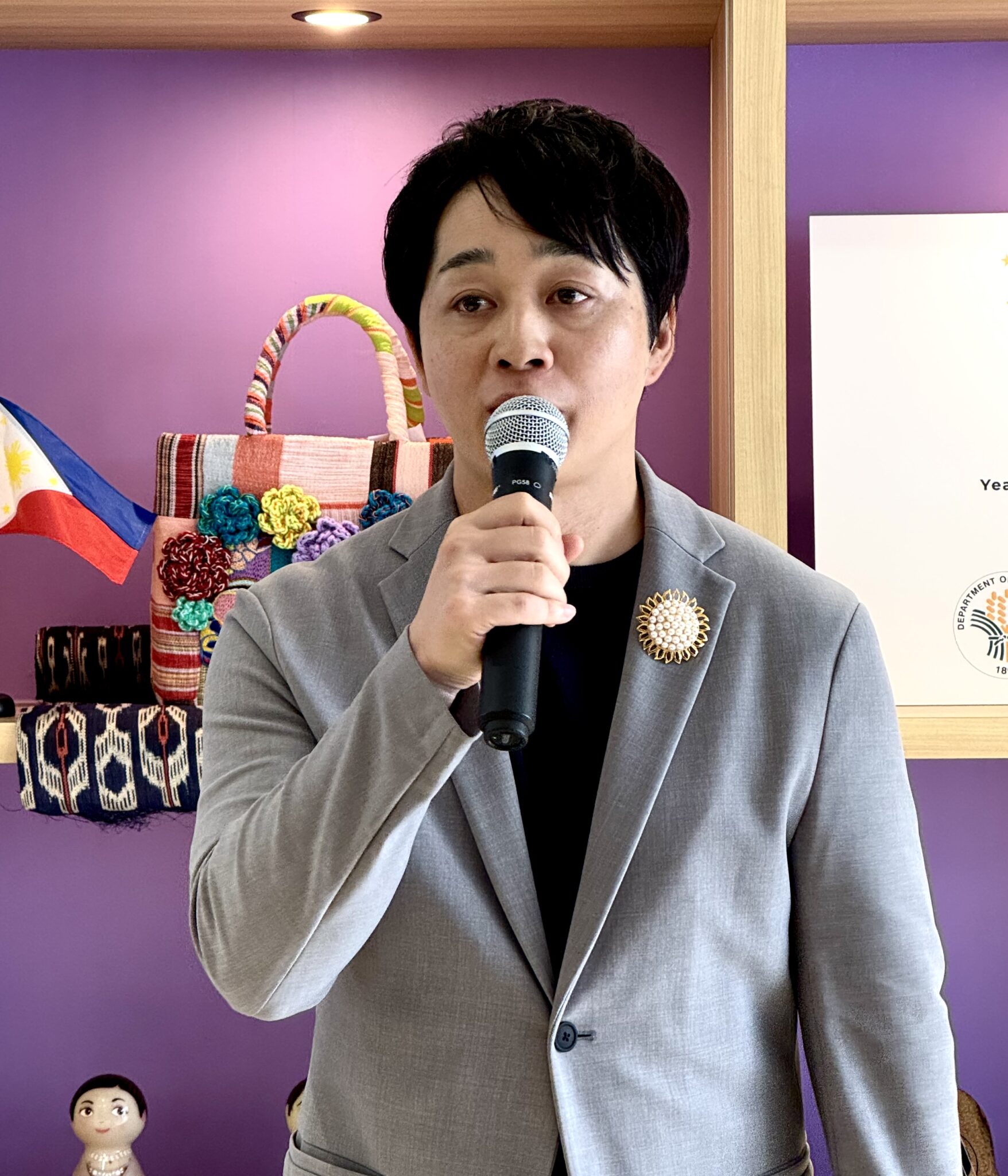
SONOKO, the Japanese diet-and-beauty company built by the late "queen of whitening" Sonoko Suzuki, is running a Philippine-themed food fair at its Ginza cafe through August 20, built around nine dishes made with ube, the purple yam central to Filipino cooking. The event, staged with cooperation from the Philippine Embassy in Japan, sits inside 2026's official calendar marking 70 years since Japan and the Philippines normalized diplomatic relations, a milestone the two governments have branded "Weaving the Future Together." What the fair actually tests, according to SONOKO's own president, is less cultural and more commercial: whether an embassy-backed cafe event can pull in customers the mail-order company does not already have.
A recovery built on customers who already existed
SONOKO's history explains why that distinction matters. The company began in 1974 as Tokino, a Japanese restaurant Suzuki opened in Ginza before turning it into a platform for her diet cooking books and, later, mail-order supplements and cosmetics. After she died in December 2000, the company lost customers steadily enough that it renamed itself SONOKO in 2001 and spent years working through the decline. Hiroaki Udagawa became president in 2019, and the mail-order business has been on what the trade press has called a V-shaped recovery since. The turnaround has been built on customer relationship management: reactivating lapsed buyers and shoring up loyalty among people who already knew the brand, not on acquiring new ones.
A scarcity mechanic dressed as diplomacy
The ube fair breaks from that pattern. Udagawa has described the event as an attempt to widen contact with customers outside SONOKO's existing base, a goal the win-back strategy was not designed to serve. The mechanics point the same way: one item, an ube halo-halo, is capped at ten servings a day through August 31, a scarcity device meant to draw walk-in traffic rather than reward mail-order loyalists. The Ginza cafe is SONOKO's only storefront, occupying the same address where Suzuki's restaurant first opened, which makes it the company's one channel for testing acquisition tactics that do not depend on a mailing list.
Whether the tactic works is not yet knowable from a single fair. But the fair itself is evidence of a company that has stabilized enough to spend marketing effort on customers it does not have, rather than only on customers it is trying not to lose, a different problem than the one SONOKO spent the last several years solving.
Sources: Ministry of Foreign Affairs of Japan · SONOKO company history
