Analysis
Target's Beauty Studio Isn't Just a Launch, It's a Divorce From Ulta
Target Beauty Studio launches Sept. 10 in 600+ stores, replacing Ulta Beauty at Target with a fully Target-curated lineup of 1,600+ products from 90 brands.
Published
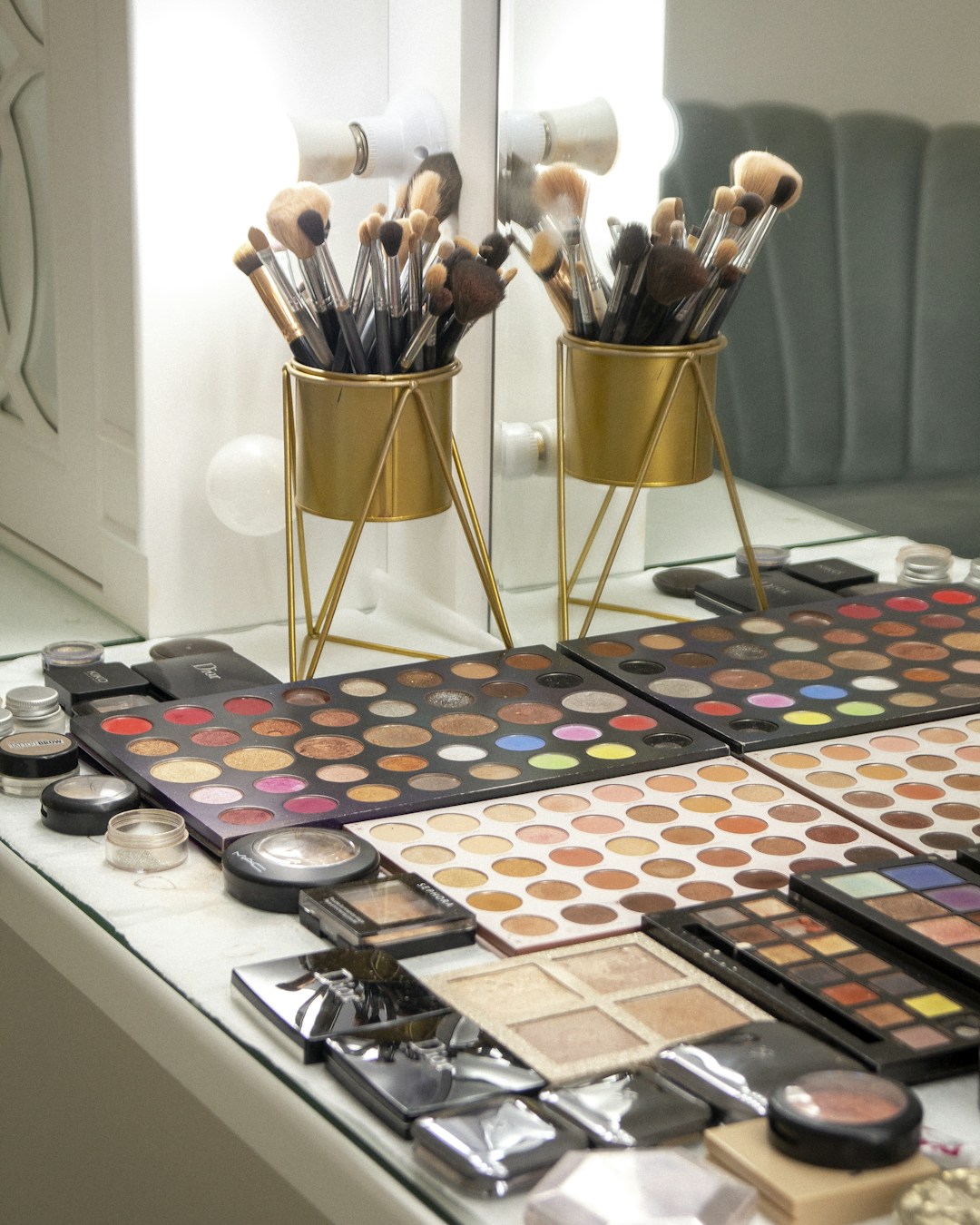
Target is opening Target Beauty Studio on Sept. 10 across more than 600 stores and on Target.com, with a bigger in-store celebration set for Sept. 26 from noon to 4 p.m. local time, when the first 100 guests at most locations get an exclusive Target Circle offer, according to Target's press release. The assortment runs to more than 1,600 products from roughly 90 brands, and Target says over two-thirds of those items are new to the retailer.
The headline calls it a beauty bet gaining momentum, but the more precise description is a breakup finally taking physical form. Target Beauty Studio is stepping into the same roughly 1,000-square-foot footprints that housed Ulta Beauty at Target, the five-year shop-in-shop partnership that launched in August 2021 and that the two companies mutually agreed not to renew, concluding this August. Retail Dive described the split bluntly as Target finalizing its 'divorce' from Ulta. What replaces the co-branded model is a Target-curated space staffed by dedicated Beauty Advisors in signature uniforms, meaning Target now controls assortment and merchandising decisions that Ulta previously shaped.
The brand list signals where Target wants credit for taste-making rather than just shelf space. New-to-Target names include Sunday Riley and First Aid Beauty in skincare, Briogeo and Joico in haircare, and Boy Smells and Tan-Luxe in fragrance and self-tan, per StockTitan's rundown of the launch. More telling is the K-beauty and global cohort: Rom&nd, Kaja, Amuse and Purito Seoul alongside France's Manucurist and Mexico's SARELLY. That mix places Target inside a broader mass-beauty land grab already pulling in Olive Young, Miniso and Gap's re-entry into the category, rather than simply patching an Ulta-shaped hole in its stores.
Ulta, for its part, is not retreating from partnerships so much as picking a different one. The company is preparing to launch Ulta Beauty Marketplace, a curated online destination for emerging brands, later this year, and has struck an exclusive fashion-and-beauty tie-up with Pacsun, according to reporting from TheStreet and the Business of Fashion. Meanwhile Sephora's shop-in-shops at Kohl's have scaled past 900 doors and are now outperforming standalone Sephora locations year over year, a reminder that Target's shift to in-house beauty runs counter to a moment when rivals are still leaning on partnership retail.
The timing lines up with a broader turnaround Target is trying to bank. Beauty sales rose 7.2% in the second quarter of 2026 and hit $7.04 billion for the first half of the year, up from $6.50 billion a year earlier, per BeautyMatter's analysis of the company's results. Company-wide, Target posted $26.5 billion in net sales for the quarter, up 5.3%, with comparable sales climbing 3.8% against a 2.4% consensus estimate, according to CNBC's coverage of the earnings call. That marks a sharp reversal from 2025, when comparable sales fell 2.6% during a year-long consumer boycott led by Rev. Jamal Bryant over the company's DEI rollback, a boycott that Forbes reported officially ended in March 2026.
New CEO Michael Fiddelke, who replaced Brian Cornell in February, has framed elevating guest experience and strengthening merchandising authority as top priorities following a C-suite shakeup that also saw commercial chief Rick Gomez depart. Beauty Studio reads as the clearest deliverable against both goals so far, converting stores that once outsourced beauty curation into ones Target fully owns. Whether that ownership extends to the Beauty Advisors themselves, and whether they come from Target's existing workforce, new hires, or former Ulta staff, is a detail the company has not yet spelled out.
